

Warehouse Inventory Verification
Pallets that know where to go
Automate repetitive pallet movements between warehouse, picking and production zones with RAWview PalletMove, integrated around the systems, processes and people you already use.
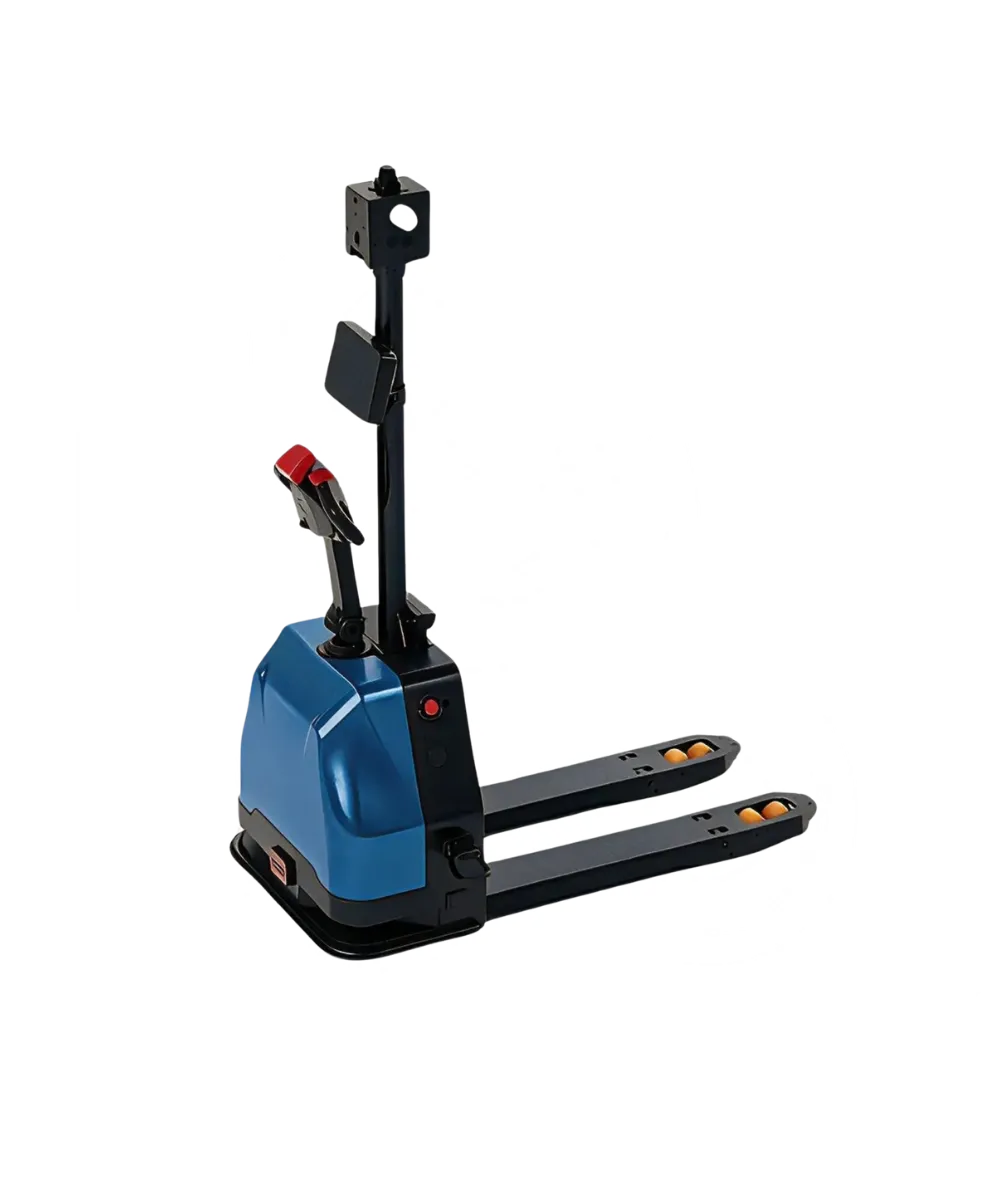
WORKS AROUND YOUR LAYOUT
Automate repetitive point-to-point and zone-to-zone pallet journeys without tying up an operator or forklift for the travel.
CONNECTS TO YOUR WORKFLOW
Trigger movements directly from your WMS, ERP or MES, or manually from a PDA or call point.
WORKS ALONGSIDE YOUR TEAM
Automate the movement between process steps while your people stay focused on picking, loading, production and exceptions.
SCALE WHEN NEEDED
Start with one defined transport flow and add routes or capacity when measured demand justifies it.
Pallet Transport, Designed Around Your Operation
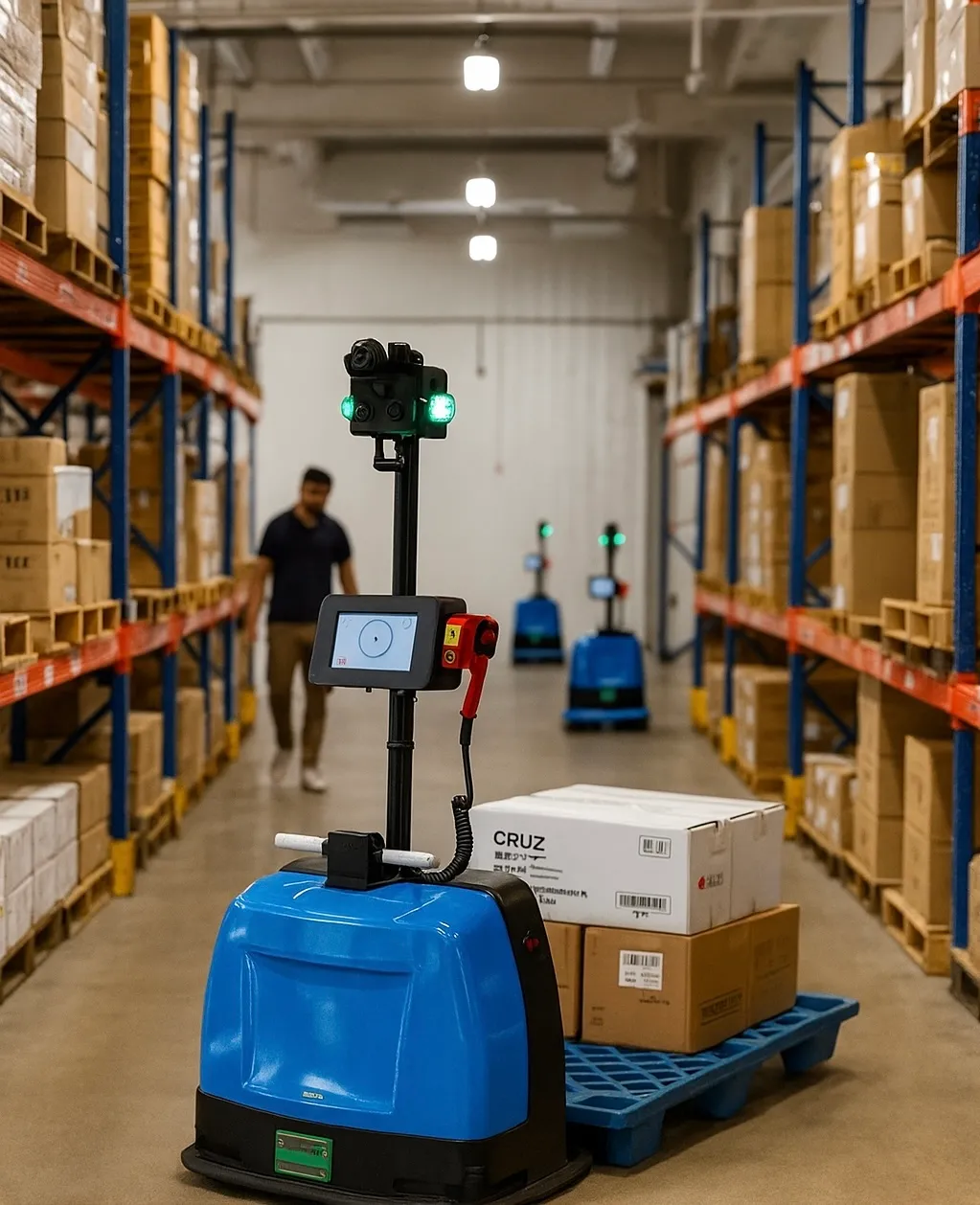
RAWview PalletMove combines autonomous pallet movers with RAWview Flow orchestration, system integration and deployment support to automate repetitive pallet journeys around your operation.
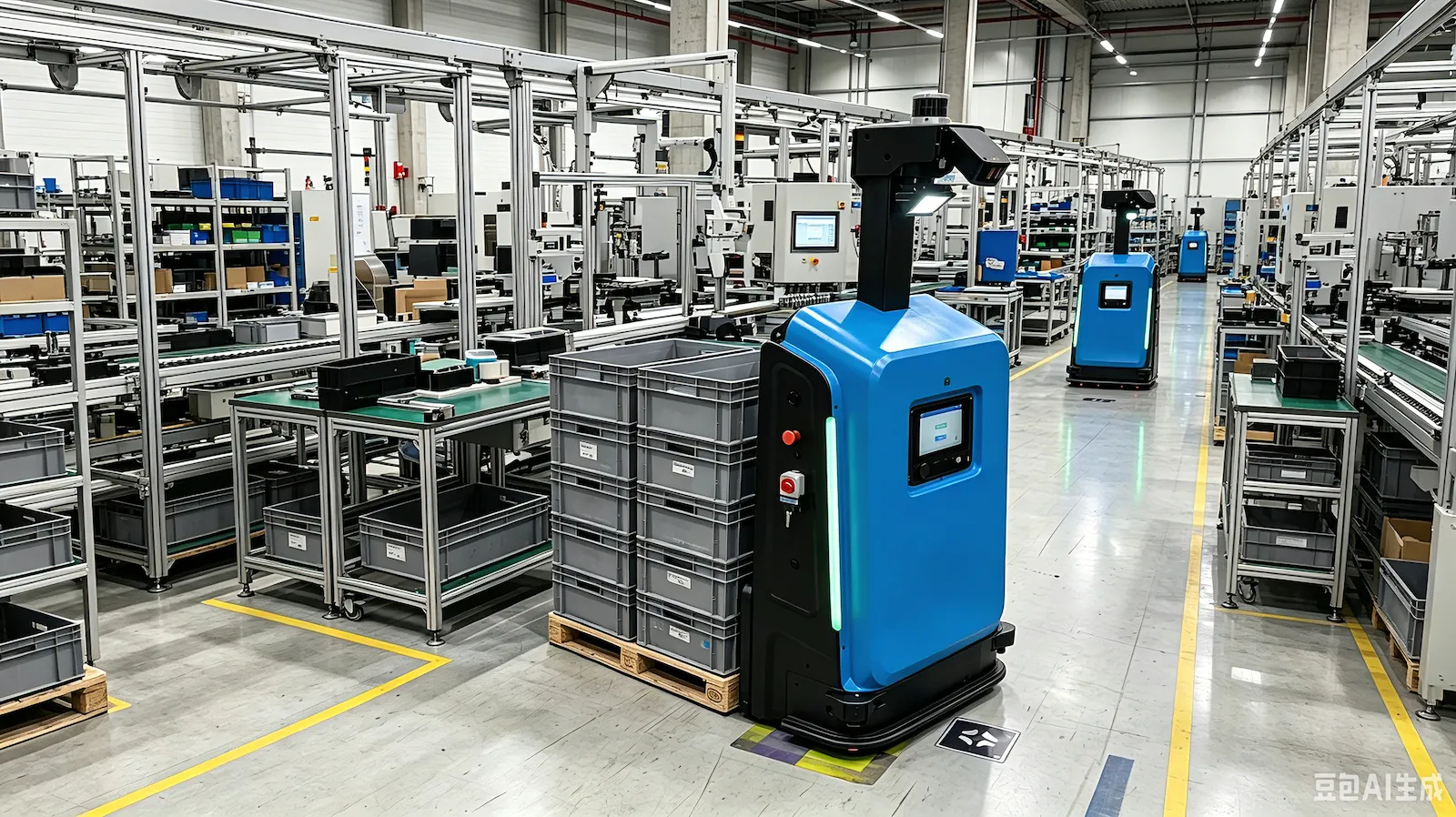
Built around a defined flow
We start with the movement: where the pallet begins, where it needs to go, how often it moves and what needs to happen along the way.
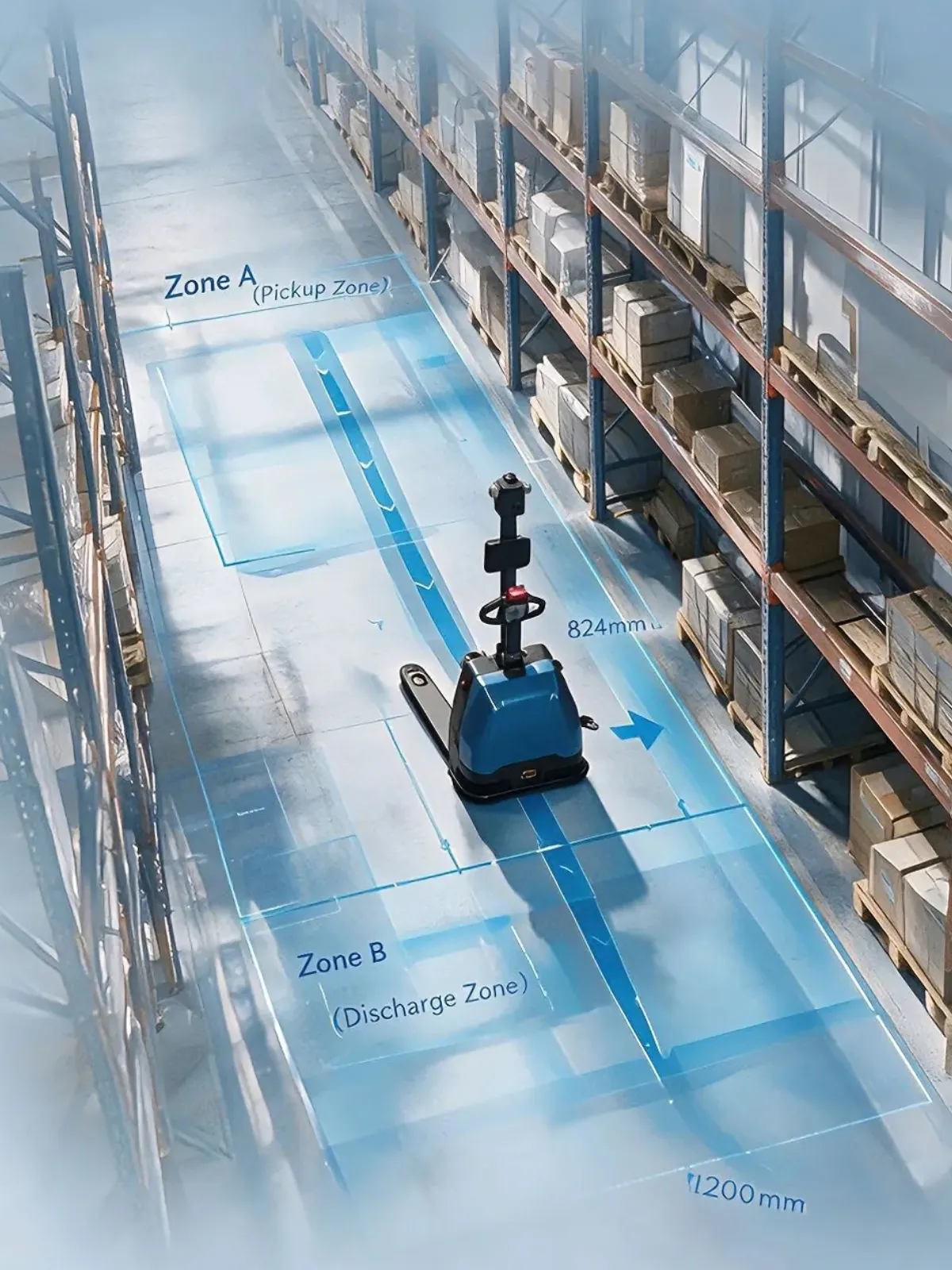
Repetitive transport automated
The autonomous pallet mover handles the repeated horizontal journey between defined locations, freeing people and conventional MHE for work that actually needs them.
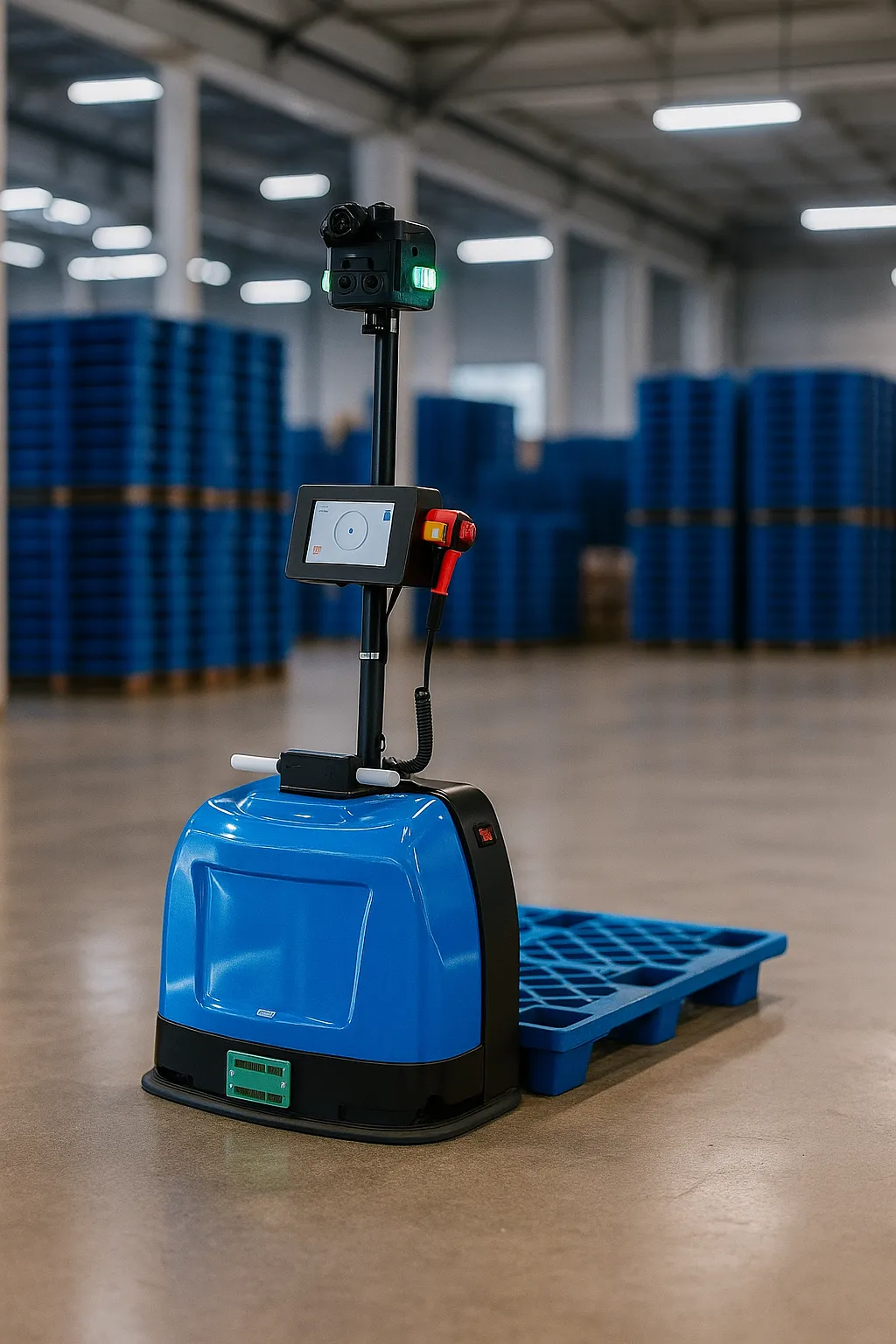
Connected to your existing workflow
Movements can be requested by people, PDAs, call points or operational systems such as WMS, ERP and MES.
Deployed and supported by RAWview
RAWview designs, configures, integrates and commissions the solution. Ongoing support and managed-service options can then keep the system performing as your operation changes.






Simple Pallet Moves. Hidden Operational Cost.
Warehouses and production sites make repeated pallet movements every day.
Often the journey itself is straightforward: collect a pallet from one known location and take it to another. Then repeat it throughout the shift.
The movement is necessary. Using skilled people and conventional MHE to repeat it all day often isn’t.
That travel consumes operator time, adds forklift traffic to busy areas and can leave picking, packing or production waiting when a driver is occupied elsewhere.
Fixed automation such as conveyors can remove the journey too, but it commits floor space and infrastructure to a process that may need to change.
Autonomous pallet transport offers another option: automate the repeated journey while keeping the surrounding operation flexible.
Click image to expand
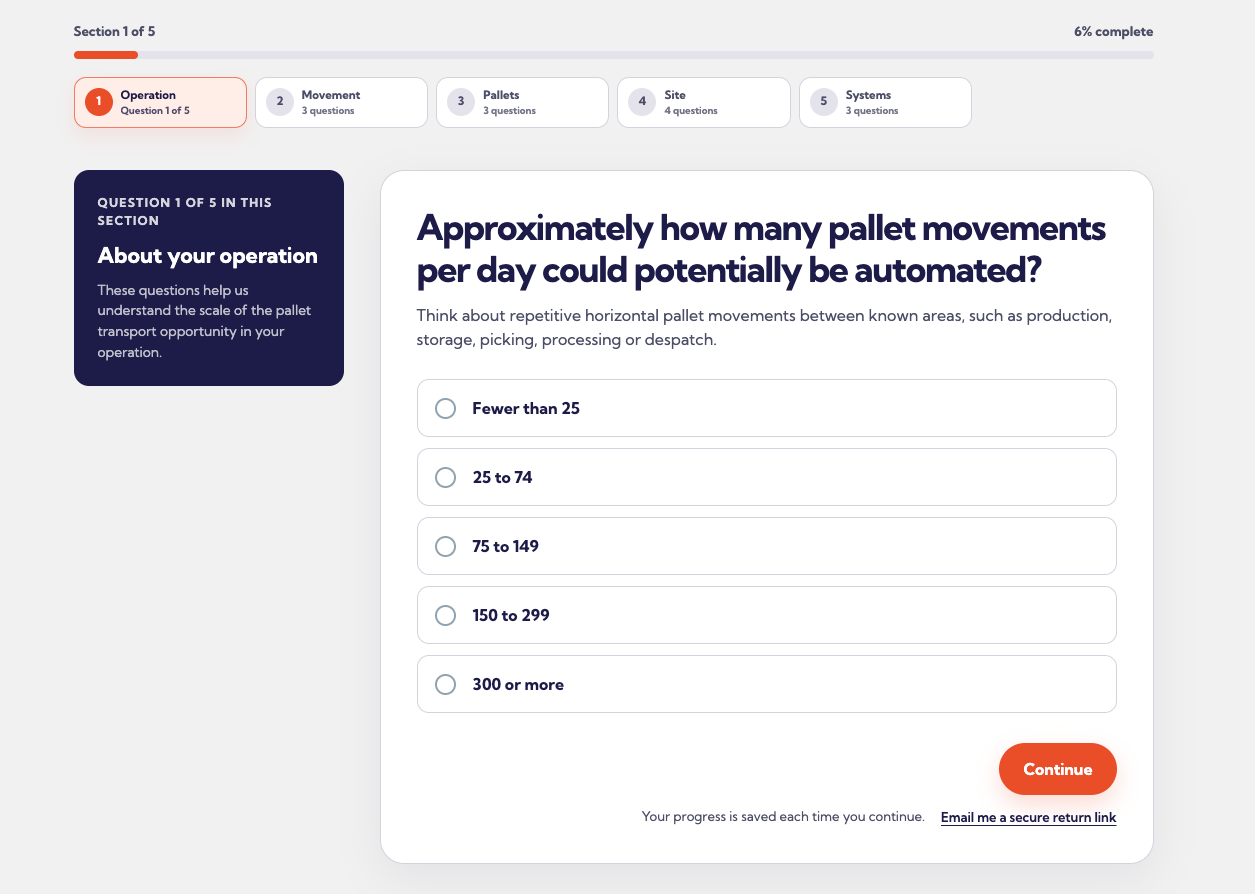
How Ready Is Your Operation for Autonomous Pallet Transport?
Get an initial answer in around 3–4 minutes
Tell us about the pallet movements you want to automate: volumes, journey distances, operating hours, pallets, routes and the systems your team already uses.
The Assessment gives you:
- A Pallet Automation Readiness Score
- An Automation Opportunity Score
- A breakdown of the main readiness areas
- The practical factors likely to shape a first deployment
- Recommended next steps
It’s designed to help identify where autonomous pallet transport could make sense before you commit to a project.

How RAWview PalletMove Works
RAWview manages the technology, deployment and ongoing support. You agree what needs verifying – we take care of the rest.
Request the Movement
A pallet movement is requested by an operator, PDA, call point or an integrated WMS, ERP or MES workflow.
RAWview Flow
RAWview Flow connects your operational workflow to the autonomous fleet. It handles the business-level logic around task requirements, priorities, triggers, process status and hand-offs before passing the transport mission to the fleet-management layer.
The Robots Move the Pallets
The robot fleet manages vehicle-level navigation and execution. The robots travel to the collection points, collects the pallets and moves them along the commissioned route to their destination.
Confirm and Continue
Once the pallet is delivered, RAWview Flow records the move as complete and feeds it back to your systems. The next process step can be triggered and the mover heads to its next mission or returns to charge.
No internal robotics team required. No fixed floor-guidance infrastructure. Existing operator workflows can remain in place. RAWview integrates, deploys and supports the solution.
The Hidden Cost of Manual Moves
The cost of pallet transport rarely appears as one neat line on a spreadsheet. It shows up in operator time, MHE utilisation, waiting, congestion and lost flexibility.
LABOUR & MHE
- Repetitive non-value travel
- Dependency on available drivers
- Additional MHE operating hours
- Shift and absence cover
FLOW & THROUGHPUT
- Pick zones waiting for pallets
- Line-side material delays
- Congested travel routes
- Peak-time bottlenecks
TRAFFIC & FLEXIBILITY
- Repeated MHE journeys through shared areas
- Busy crossing points
- Rigid fixed systems
- Expensive layout changes







Autonomous Pallet Transport in Real Workflows
The strongest applications are usually the simplest ones: pallet journeys between known locations that repeat throughout the working day.
Inbound and staging
Move received pallets from goods-in to staging or floor-level storage locations without waiting for a driver to become available.
Replenishment to picking or packing
Deliver pallets from storage or buffer locations to pick faces, packing stations or process areas as they are required.
Zone-to-zone picking
Collect an empty pallet and move it through a series of pick zones. The operative completes the pick and confirms on their existing device. The pallet mover then continues to the next zone before taking the completed pallet to wrapping or despatch.
The people pick. The robot travels.
Production and line-side replenishment
Move components and materials from stores to production and completed goods back towards warehouse or despatch areas.
Finished pallet movement
Move finished pallets to wrapping, inspection, staging or despatch without creating another manual transport job.
A transport layer under your process, not a replacement for your pickers.
Automation That Moves With Your Operation
Fixed conveyors and highly engineered material-handling systems make sense where the process and layout are unlikely to change.
Most operations are not that static.
Pick zones move. Production expands. Customer requirements change. Seasonal peaks appear. New processes are introduced.
RAWview PalletMove uses software-defined routes rather than permanently fixing the transport flow into the floor.
When the operation changes, routes and operating logic can be reviewed and reconfigured subject to the site, traffic and safety requirements of the new flow.
And you don't have to automate everything at once.
Start with one movement that makes sense. Measure it. Then add routes or capacity when the evidence supports it.
Physical infrastructure engineered around a defined flow
Software-define routes that can be easily reconfigured
Typically designed as a larger upfront automation project
Start with one defined transport flow and scale from there
Capacity linked to the installed infrastructure
Add routes or movers as demand grows
Layout changes can require physical modification or re-engineering
Routes and operating logic can be adapted as the operation changes
Changes and expansion may require further engineering work
RAWview on hand for integration, configuration and future expansion
Autonomous Pallet Movers Selected for Your Flow
RAWview PalletMove uses FT-series autonomous pallet movers as the vehicle platform beneath the solution.
We specify the vehicle, pallet interface, fork configuration and deployment design around the loads and movements being automated rather than expecting the operation to fit around a standard robot configuration.
Key capabilities include:
- Laser SLAM navigation
- Automatic return to charging
- Vehicle options for different load and throughput requirements
- Software-defined routes
- Configurable fork arrangements
Compact pallet-truck platform for standard repetitive transport flows.
Higher-capacity platform for heavier loads or higher-throughput flows.
RAWview Flow Connects Your Operation to the Autonomous Fleet
At the centre of RAWview PalletMove is RAWview Flow - our proprietary orchestration and integration engine. RAWview Flow sits between the operational workflow that decides what needs moving and the autonomous fleet that carries out the heavy lifting.
It translates movement requests into transport tasks, tracks their progress and returns each task's status back to the process - keeping the robot-specific complexity behind a single RAWview-managed layer.

Benefits
Keep familiar operator workflows
Operators can continue to request or confirm movements through existing PDA workflows, reducing process change and training.
Connect to your existing systems
RAWview Flow can integrate with WMS, ERP or MES so transport tasks and process updates fit into the systems already running your operation.
Coordinate surrounding equipment
Automatic doors, lifts, robotic palletisers and other equipment can be incorporated into the same movement workflow where required.
Start simple
Begin with manual or call-point triggers, then introduce deeper system integration once the movement has been proven.
From Use Case to Live Operation
We start with the movement, model the requirement, then validate real performance before scaling the fleet.
Define the collection and delivery points, journey distance, movement volumes, operating window and peak demand.
Review pallets, loads, floors, aisle widths, traffic, connectivity, charging and exception cases.
Configure the transport workflow, triggers, business logic and agreed system integrations.
We track real movements and throughput against the agreed baseline and refine the routes and priorities.
Refine the deployment and add robots, routes or zones when the operating data shows they are needed.
Commercial options
One Transport Solution. Different Operational Outcomes.
Operations & Logistics Leaders
Keep pallets moving without adding repetitive transport work.
- Free people and conventional MHE for tasks that need them.
- Improve consistency of repeated pallet movements.
- Reduce dependency on driver availability.
- Scale transport capacity with demand.
Warehouse Managers
Take repetitive travel out of picking, replenishment and dispatch.
- Keep operatives at the pick face while movers do the travelling.
- Deliver replenishment to pick faces when it is needed.
- Reduce forklift traffic in busy aisles.
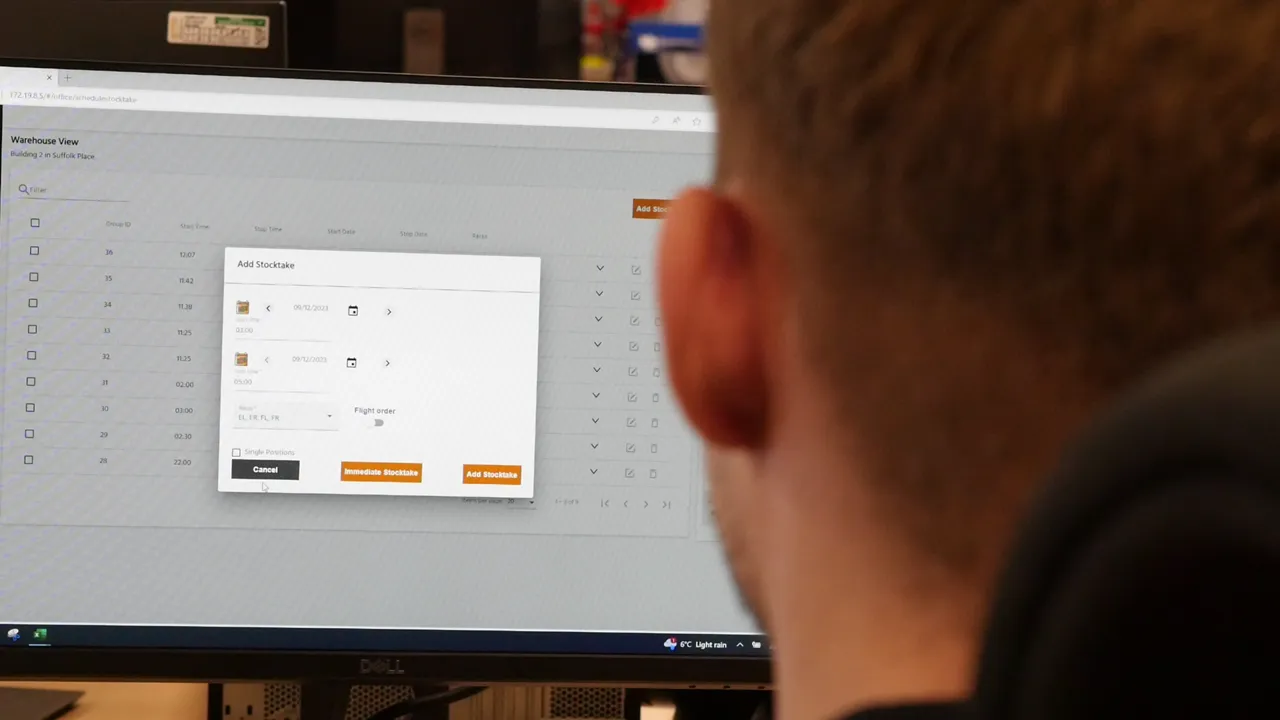
- Record every pallet movement.

Manufacturing & Production Managers
Keep your team at the process, not walking or driving between it.
- Automate line-side replenishment and inter-zone travel.
- Move finished goods away from production.
- Reduce repeated forklift journeys.
- Adapt routes as cells or zones change.
- Create a digital record of pallet movements.

IT & Systems Managers
Add autonomous transport without replacing established systems.
- Trigger transport from existing operational workflows.
- Connect through agreed APIs and interfaces.
- Introduce integration in stages.
- Preserve familiar operator interfaces.

Health & Safety Leaders
Reduce repeated manual MHE journeys on defined routes.
- Remove suitable repetitive forklift transport tasks.
- Design controlled routes and crossing points.
- Define operating behaviour during site validation.
- Reduce unnecessary MHE traffic in shared areas.

Finance & Commercial Leaders
Invest around a measured use case rather than an assumed fleet.
- Start with one defined flow.
- Establish a measurable operational baseline.
- Choose an appropriate capital or operating-cost structure.
- Scale when actual demand supports the investment.

TAKE THE NEXT STEP
Find the First Pallet Flow Worth Automating
Start with the flow, not the fleet.
You don’t need to know how many robots you need before speaking to us.
Show us the pallet movement you want to improve and we’ll help determine whether autonomous transport is appropriate, what would be required to deploy it and how a first implementation could be structured.
RAWview PalletMove FAQs
What is RAWview PalletMove?
RAWview Pallet Automation is an integrated autonomous pallet transport solution for repetitive horizontal pallet movements.
Customers buy a working transport solution from RAWview, not simply a standalone robot.
RAWview identifies the movement to automate, specifies the vehicle and pallet-handling configuration, connects it to the customer’s workflow and deploys the complete system.
How is an autonomous pallet mover different from a forklift?
An autonomous pallet mover is primarily designed for horizontal floor-level transport: collecting a pallet at one defined point and delivering it to another.
It does not replace high-level forklift work such as racking put-away or retrieval.
The aim is to remove the repeated transport journeys that consume operator and MHE time unnecessarily.
Which pallet movements can be automated?
Good candidates are repetitive horizontal movements between known locations, including:
- Goods-in to staging
- Floor-level storage or buffers to picking and packing
- Zone-to-zone picking
- Production line-side replenishment
- Finished goods movement
- Completed pallets to wrapping or despatch
The Pallet Automation Assessment and subsequent site review help identify which flows are the strongest candidates.
Can autonomous pallet movers operate around people and other MHE?
The vehicles are designed for operation in shared industrial environments, but every deployment is site-specific.
Routes, speeds, crossing points, traffic interactions and operating rules are assessed and commissioned for the intended environment before the system goes live.
The objective is to automate suitable repeated movements while maintaining controlled interaction with people and existing MHE.
How are pallet movements triggered?
Movements can be triggered in several ways, depending on your process:
- Manually, from a screen or call point;
- from an operative's PDA as part of an existing workflow;
- automatically from your WMS, ERP or MES through an API or agreed integration.
Many sites start with simple triggers and integrate more deeply once the flow is proven. Operator workflows stay familiar because the existing interface can remain the way movements are requested today.
Do we need to change our layout or install new infrastructure?
Usually, autonomous pallet transport does not require fixed guidance infrastructure such as conveyors, rails, tape or magnets.
The site does still need suitable travel routes, floors, pallet collection and delivery positions, charging and connectivity.
If the operation changes later, transport routes can be reviewed and reconfigured rather than physically rebuilding a fixed transport system.
What loads can the pallet movers carry?
RAWview has vehicle options in the 1,500 kg and 2,000 kg payload classes, subject to confirmation of the final supplied specification.
Vehicle selection also depends on pallet geometry, fork-entry arrangement, load stability, route conditions and throughput, not simply pallet weight.
RAWview confirms the correct configuration during solution design.
How many pallet movers will we need?
That depends on factors such as movement volume, journey distance, peak demand, operating hours, collection and delivery points and traffic.
We don't size a fleet from theory. RAWview maps the flow, deploys against a known requirement and measures real performance. Pallet movers are then added when actual demand shows they are needed.
Can we purchase the solution or use a managed model?
Both capital-purchase and operating-cost structures can be offered depending on the deployment.
RAWview provides the design, configuration and deployment in either case, with the ongoing service and monitoring package determined by the chosen commercial model.
What does the site need to provide, and how is the solution supported?
Typical site requirements include:
- Suitable floors and access on the agreed routes
- Pallets that meet the agreed type and condition
- Defined collection and delivery points
- A charging location and power
- Agreed connectivity
- Defined operating windows and process triggers
RAWview remains responsible for configuration, monitoring, software updates and technical support throughout the agreed term. Your team does not need robotics expertise to run the solution.
A pallet movement is requested by an operator, PDA, call point or an integrated WMS, ERP or MES workflow.
